Independent travel in China costs ¥300-900 per day depending on accommodation, transport choices, and dining style across your itinerary.
Key takeaways
- ◆Budget travelers spend ¥300-450 per day; mid-range travelers ¥500-700; comfort-seekers ¥800-1200 including accommodation, meals and local transport.
- ◆A 15-day China visa costs $140 at most embassies; the 144-hour visa-free transit scheme costs nothing but restricts you to specific city clusters.
- ◆Round-trip flights from the US to Beijing run ¥4500-8500 depending on season; book 8-12 weeks ahead for best prices on Air China or United direct routes.
- ◆High-speed trains cost ¥0.40-0.60 per kilometer in second class; Beijing to Shanghai runs ¥553 and takes 4.5 hours versus ¥180 for a 12-hour hard sleeper.
- ◆Hostel dorms in major cities cost ¥60-120; clean budget hotels ¥180-280; international chains ¥450-800 per night in city centers.
What a China Trip Actually Costs in 2026
China sits in the middle of the global travel budget spectrum. Your daily costs depend less on the country itself and more on how you choose to move, sleep, and eat. A traveler sleeping in hostels, eating at local noodle shops, and taking overnight trains can comfortably manage ¥350 per day. Another traveler staying in business hotels, dining at sit-down restaurants, and flying between cities will spend ¥900 daily without touching luxury territory.
The practical difference comes down to three decisions: accommodation tier, intercity transport method, and how often you eat Western food. This guide breaks down real costs for each category using 2026 prices from Chinese booking platforms and transport apps. Every figure includes the hidden costs that catch first-time visitors, from VPN subscriptions to attraction booking fees that only appear at checkout.
Plan for ¥11,000-18,000 for two weeks in China before flights, then add your airfare and visa. The rest of this guide shows you exactly where that money goes and where you can cut costs without sacrificing experience.
Visa and Entry Costs
Standard Tourist Visa
A single-entry 30-day L visa costs $140 at most Chinese embassies and consulates in 2026, with processing taking 4 business days. Rush service costs an additional $60 and delivers in 2-3 days. You need a confirmed hotel booking for at least your first night, a round-trip flight itinerary, and a passport photo that meets specific size requirements: 33mm x 48mm with a plain background.
Applying through the Chinese Visa Application Service Center adds a ¥180-220 service fee on top of the embassy fee but handles paperwork errors that would otherwise cause rejections. Common rejection reasons include hotel confirmations that lack a physical address, flight itineraries from booking sites rather than airlines, and passport photos with shadows.
Visa-Free Transit Options
The 144-hour (six-day) visa-free transit scheme costs nothing but requires proof of onward travel to a third country and restricts you to specific regions. Beijing-Tianjin-Hebei forms one cluster; Shanghai-Jiangsu-Zhejiang another; Guangdong province a third. You cannot take a train from Shanghai to Beijing under this scheme because they sit in separate zones.
The 24-hour visa-free transit through any major Chinese airport works for layovers but requires staying airside or booking an airport hotel. Leaving the airport terminal technically violates the terms, though enforcement is inconsistent.
Hidden Entry Costs
Budget ¥180-350 for a VPN subscription before arrival. China blocks Google, Gmail, WhatsApp, Instagram, and most Western news sites. ExpressVPN and Astrill work reliably in 2026 and cost around ¥280 for three months. Download and configure the app before your flight because VPN provider websites are also blocked inside China.
Travel insurance with China medical coverage runs ¥150-280 for two weeks depending on age and coverage limits. Chinese hospitals require upfront payment even in emergencies, and repatriation can cost $50,000 without insurance.
International Flights
Round-trip flights from North America to Beijing or Shanghai cost ¥4500-8500 in economy depending on season and booking timing. January through March offers the lowest fares except around Chinese New Year, when prices double. October Golden Week (first week of October) and summer months July-August push fares to the high end.
Direct flights on Air China, United, or American from Los Angeles or San Francisco to Beijing take 12-13 hours and typically cost ¥1000-1500 less than one-stop options through Tokyo or Seoul during off-peak months. The time savings rarely justify paying premium fares, but if you book 8-12 weeks ahead, direct flights often match connecting flight prices.
Europe and Australia Routes
London to Shanghai direct on British Airways or China Eastern runs ¥3500-6500 round-trip with 11-hour flight times. Connecting through Helsinki or Istanbul can save ¥800-1200 but adds 4-6 hours. Sydney to Guangzhou direct costs AUD 900-1600 (roughly ¥4300-7600) on China Southern with 9-hour flights.
Booking Strategy
Skyscanner and Google Flights show Chinese airline inventory accurately, but booking directly through airline websites in China often reveals ¥300-500 cheaper fares that third-party sites don't display. Air China's English site works well; China Eastern and China Southern have functional English booking but sometimes glitch at payment, requiring a backup Alipay account or trying again in 24 hours.
Avoid checking bags if possible. Most Chinese carriers charge ¥200-280 each way for the first checked bag on economy tickets booked after 2024. A 40-liter backpack or rolling carry-on that fits overhead compartments saves ¥400-560 per person on a round trip.
Accommodation Costs Across Budget Levels
Hostels and Budget Options
Hostel dorms in Beijing, Shanghai, Xi'an, and Chengdu cost ¥60-120 per bed in 2026. The Leo Hostel chain maintains clean 8-bed dorms with individual reading lights and power outlets for ¥80-95 in most major cities. Book through Hostelworld or Trip.com, but always verify the hostel's location on Baidu Maps because some listings use landmark addresses rather than actual building locations.
Private rooms in hostels run ¥180-280 with shared bathrooms. Budget hotel chains like Home Inn and Hanting offer clean private rooms with bathrooms for ¥180-280 in second-tier cities, ¥280-380 in Beijing and Shanghai. The rooms are small (12-15 square meters) but include air conditioning, basic WiFi, and hot water that actually works.
Mid-Range Hotels
Three-star Chinese business hotels cost ¥350-550 in major cities and include breakfast, larger rooms (20-25 square meters), and staff who might speak basic English. International mid-range chains like Ibis and Holiday Inn run ¥450-650 for similar quality with more reliable English support at check-in.
Book through Trip.com rather than international sites for Chinese hotels. The same Holiday Inn room costs ¥480 on Trip.com and ¥620 on Hotels.com due to different commission structures. Trip.com's English interface works smoothly and customer service responds within hours when properties overbook.
Comfort and Upscale
Four-star business hotels in central Beijing, Shanghai, or Guangzhou cost ¥700-1100. The Crowne Plaza brand reliably delivers 30-square-meter rooms, functional desks for laptop work, and breakfast buffets with both Western and Chinese options. Five-star properties like Shangri-La or Grand Hyatt start at ¥1200-1800 in city centers.
Booking Traps to Avoid
Many Chinese hotel listings on Western sites show prices without the 6% city tax. The final bill includes this tax plus occasional ¥15-30 "service fees" that only appear at checkout. Always filter for properties with free cancellation until 24-48 hours before arrival because overbooked properties sometimes call the morning of check-in to cancel, leaving you scrambling.
Hotels near train stations cost ¥50-100 less than downtown properties but often sit in grittier neighborhoods with limited English signage. Fine for a single night between trains, questionable for longer stays if you value evening walkability.
Transport Costs Within and Between Cities
High-Speed Trains
China's high-speed rail network charges roughly ¥0.40-0.60 per kilometer in second class, ¥0.65-0.95 in first class. Beijing to Shanghai (1300km) costs ¥553 second class, ¥933 first class, with 4.5-hour journey times. Shanghai to Guilin runs ¥650 second class for an 11-hour overnight journey that saves a hotel night.
Book through Trip.com's train section or the official 12306 app. The 12306 app requires a Chinese phone number for registration, making Trip.com simpler for foreign visitors despite a ¥10-15 booking fee per ticket. Tickets release 30 days before departure at 18:00 Beijing time. Popular routes like Beijing to Xi'an sell out within hours during October and Chinese New Year.
Conventional Overnight Trains
Hard sleeper berths cost roughly ¥0.12-0.18 per kilometer and work brilliantly for overnight journeys. Beijing to Chengdu hard sleeper runs ¥350-420 for a 26-hour journey versus ¥820 for an 8-hour high-speed train plus a ¥300 hotel night. You save money and arrive rested if you can sleep on trains.
Soft sleepers cost ¥0.22-0.30 per kilometer and offer four-berth compartments with doors versus hard sleeper's open six-berth bays. The doors provide privacy and quieter sleep but rarely justify doubling your fare unless traveling with family.
Domestic Flights
Budget carriers like Spring Airlines and China United fly secondary routes for ¥280-580 including taxes when booked 2-3 weeks ahead. Shanghai to Chengdu costs ¥380-480 on Spring Airlines versus ¥820 on the high-speed train, with 2.5-hour flight time versus 11 hours by rail. Add ¥60-100 for airport transport at each end and ¥200-280 for checked bags.
Full-service carriers like Air China charge ¥650-950 for the same routes but include checked bags and seat selection. Flight delays happen frequently in summer due to air traffic control restrictions, with 1-3 hour delays common and no compensation required under Chinese law.
City Transport
Metro systems in Beijing, Shanghai, Guangzhou, Shenzhen, Chengdu, and Hangzhou cost ¥3-8 per journey depending on distance. Buy rechargeable transit cards at metro stations for ¥20 deposit plus initial load. The cards work across buses and metro in the same city and refund fully at service counters when you leave.
Taxis start at ¥10-14 in most cities with ¥2-3 per kilometer after the first 3km. Didi (China's Uber equivalent) costs the same or ¥5-10 less and solves the language barrier through in-app translation. The app requires a Chinese phone number or works through Alipay's mini-program with international cards linked.
Buses cost ¥1-2 per journey but require reading Chinese route maps. Rent a bike through Meituan or Hellobike apps for ¥1.50 per 15 minutes in cities with bike infrastructure. Chengdu, Hangzhou, and Suzhou work well for cycling; Beijing's traffic makes bikes stressful.
Daily Food Costs by Dining Style
Budget Street Food and Local Restaurants
A filling breakfast of soy milk, fried dough sticks, and steamed buns costs ¥8-15 at neighborhood stalls. Lanzhou hand-pulled noodle shops charge ¥15-25 for a large bowl that serves as lunch. Dumpling restaurants sell jiaozi for ¥12-18 per 10 pieces, enough for a light meal.
Dinner at a neighborhood Chinese restaurant with two hot dishes, rice, and tea runs ¥35-60 per person. Order one meat dish and one vegetable dish; restaurants bring huge portions meant for sharing. Budget travelers eating this way spend ¥80-120 daily on food.
Mid-Range Restaurant Dining
Sit-down restaurants in tourist areas charge ¥45-85 per dish. A typical dinner for two with three dishes, rice, and beers costs ¥180-280. Western-style coffee shops like Starbucks charge ¥28-38 for lattes; local chains like Luckin Coffee charge ¥15-22 for similar quality.
Breakfast at hotel buffets costs ¥60-95 if not included in your room rate. The buffets usually offer both congee-and-pickles Chinese options and passable Western items like scrambled eggs and toast. Mid-range eaters spending ¥150-250 daily can afford one nice restaurant meal, one budget meal, and coffee without stress.
Special Meals and Splurges
Peking duck at Quanjude in Beijing costs ¥298-398 for a whole duck serving 3-4 people, plus ¥15-30 per additional dish. Xiaolongbao at Din Tai Fung runs ¥55-85 for a steamer of 10 buns. Hot pot restaurants charge ¥80-150 per person for unlimited broth refills and a selection of meats and vegetables.
Beer at convenience stores costs ¥8-15 per 500ml bottle. The same beer in bars runs ¥25-40. Local baijiu spirits start at ¥35 per bottle in supermarkets; premium bottles reach ¥200-500.
Grocery Stores for Self-Catering
Convenience stores sell instant noodles (¥6-12), packaged sandwiches (¥12-18), yogurt (¥8-15), and fruit (¥15-25 per serving). Supermarket chains like Carrefour and RT-Mart offer bread, peanut butter, and snacks at prices 30-40% below convenience stores. Self-catering breakfast and lunch while eating dinner out cuts daily food costs to ¥100-140.
Water bottles cost ¥3-5 at convenience stores. Tap water isn't potable in most Chinese cities, but hotels provide electric kettles. Bring a reusable bottle and refill with boiled water to avoid buying 2-3 bottles daily.
Attraction and Activity Costs
Major Attractions
The Forbidden City in Beijing charges ¥60 April-October, ¥40 November-March. Summer Palace costs ¥30 (¥60 with interior halls). Temple of Heaven runs ¥15 for park entry, ¥35 including the main hall. Book Forbidden City tickets through the official WeChat mini-program exactly seven days before your visit; same-day tickets never exist and scalpers sell fakes.
Shanghai's major sites cost less: Yu Garden ¥40, Shanghai Museum free with advance reservation, Oriental Pearl Tower ¥220 for the highest observation deck. The Bund costs nothing to walk and offers better skyline views than paying for towers.
Terracotta Warriors in Xi'an cost ¥150 December-February, ¥120 March-November (prices inverted because winter is low season there). The Muslim Quarter costs nothing to explore. Xi'an's city wall charges ¥54 to walk or ¥90 including bike rental for the 14km circuit.
Nature and Scenic Areas
Zhangjiajie National Forest Park (the Avatar mountains) charges ¥248 for a three-day entry pass plus ¥88 for required shuttle buses. Cable cars cost an additional ¥72 each way. Budget ¥450-550 per person for park entry, transport, and cable cars over 2-3 days.
Yulong Snow Mountain near Lijiang costs ¥130 park entry plus ¥180 for the glacier cable car. The cable car sells out by 10:00 most days; book tickets through the official WeChat mini-program the night before at 19:00 when they release.
Guilin's Li River cruise costs ¥215-270 depending on boat class for the 4-hour Guilin to Yangshuo route. The same scenery costs ¥20 to experience from a local bus along the riverside road, though you miss the iconic mid-river perspectives.
Activities and Experiences
Kung fu shows at the Shaolin Temple cost ¥100-180 depending on seat section. Sichuan opera face-changing performances in Chengdu run ¥180-280 at the Shufeng Yayun Teahouse. Both include tea service; skip the ¥80-120 pre-show dinners which serve mediocre buffet food.
Cooking classes in Chengdu and Shanghai cost ¥280-450 for 3-4 hour sessions including market tours and lunch. Book through Airbnb Experiences or local hostels. The hostel-organized classes often cost ¥80-120 less than identical Airbnb listings.
Saving on Attractions
Many museums and some parks offer free entry one day per month, usually the first or last Monday. Check official sites or ask hotel staff. Student IDs from any country give 50% discounts at most government-run attractions if you look plausibly university-aged; enforcement is loose.
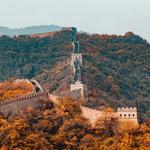
Skip the private day tours sold by hotels. A private Mutianyu Great Wall tour costs ¥850-1200 through hotels versus ¥180 for a bus ticket plus ¥45 entrance fee doing it independently. The Great Wall has clear English signage and doesn't require guides.
Internet, SIM Cards and Communication Costs
Mobile Data Options
China Mobile and China Unicom sell tourist SIM cards at airport counters for ¥150-220 with 10-30GB data and unlimited domestic calls for 15-30 days. The SIM cards activate immediately and work in unlocked phones. Download maps and install your VPN before swapping SIM cards because the Chinese SIM blocks app stores without VPN access.
Rent a pocket WiFi device for ¥25-35 per day through Klook or airport counters. The devices support 3-5 simultaneous connections and return via airport drop-box or hotel mail service. Total cost runs ¥350-550 for two weeks, more expensive than SIM cards but works with locked phones.
VPN Necessity and Costs
ExpressVPN costs ¥280 for three months, Astrill ¥320. Both work reliably as of 2026 through scrambled protocols that avoid detection. Free VPNs get blocked within days of setup. Install and test your VPN before departure; VPN provider websites are blocked inside China, making post-arrival troubleshooting impossible without help.
Connection speeds through VPN drop to 30-50% of normal bandwidth. Video calls work but expect pixelation. WhatsApp messages and Gmail load reliably if slowly.
Public WiFi
Hotels, coffee shops, and some restaurants offer free WiFi that requires Chinese phone number verification via SMS code. Foreign numbers occasionally work but fail more often than they succeed. McDonald's and Starbucks WiFi works without phone verification in most cities.
The WiFi blocks Google, Facebook, Instagram, WhatsApp, and Twitter without VPN. You can access Chinese services like WeChat, Baidu, and Alipay freely on public WiFi.
Apps You Need
Alipay or WeChat Pay for payments (¥0 setup, 3-5% fee per transaction for foreign cards). Baidu Maps for navigation (better than Google Maps inside China). Didi for taxis. Trip.com for trains and hotels. Pleco for Chinese-English dictionary. Download all these and create accounts before departure because setting up requires steps blocked inside China without VPN.
Complete Two-Week Budget Breakdowns
Budget Traveler: ¥11,200 Total
Accommodation in hostel dorms and budget hotels: ¥140/night × 13 nights = ¥1,820. Food from street stalls and local restaurants: ¥110/day × 14 days = ¥1,540. Intercity transport by overnight and high-speed trains covering Beijing, Xi'an, Chengdu, Guilin, Shanghai: ¥2,800. Metro, buses, and occasional Didi rides: ¥50/day × 14 days = ¥700. Major attractions (Forbidden City, Terracotta Warriors, Zhangjiajie, Li River): ¥1,850. Tourist SIM card and VPN: ¥420. Contingency and small purchases: ¥1,070.
Add ¥980 (¥140 visa) and ¥5,500 (round-trip flight from US) for ¥17,680 total trip cost, roughly $2,450.
Mid-Range Traveler: ¥18,500 Total
Accommodation in 3-star hotels and occasional 4-star properties: ¥420/night × 13 nights = ¥5,460. Food mixing local restaurants with nicer dinners and coffee shops: ¥200/day × 14 days = ¥2,800. Intercity transport by high-speed trains and one domestic flight: ¥4,200. Taxis, Didi, metro: ¥90/day × 14 days = ¥1,260. Same major attractions plus cooking class and performances: ¥2,650. Pocket WiFi device and VPN: ¥650. Shopping and contingency: ¥1,480.
Add ¥980 (visa) and ¥6,500 (round-trip flight) for ¥25,980 total, roughly $3,600.
Comfort Traveler: ¥28,800 Total
Accommodation in 4-5 star international hotels: ¥850/night × 13 nights = ¥11,050. Food at higher-end restaurants with Western breakfast and coffee: ¥320/day × 14 days = ¥4,480. Intercity transport by domestic flights and first-class trains: ¥5,800. Private car transfers and taxis: ¥150/day × 14 days = ¥2,100. Premium attraction tickets, private guides, shows: ¥3,200. International roaming or premium pocket WiFi: ¥980. Shopping and flexibility: ¥2,190.
Add ¥980 (visa) and ¥7,500 (business class or peak-season flight) for ¥37,280 total, roughly $5,150.
Where Budget Travelers Save Most
The biggest savings come from overnight trains replacing daytime trains plus hotels, eating exclusively at local restaurants, and staying in hostels outside peak tourist zones. A hostel 2-3 metro stops from Beijing's Forbidden City costs ¥80 versus ¥180 near Tiananmen Square with identical metro access in 15 minutes. Traveling in March, April, or November rather than summer or October saves ¥1,500-2,500 on accommodation alone for two weeks.
Where You Shouldn't Cut Costs
Skip the ¥50 hostel dorms with 12+ beds and no lockers. The ¥30 savings per night isn't worth sleepless nights from snoring and theft risk. Pay for VPN and reliable data; being unable to navigate or communicate costs more in wasted time and wrong transport than ¥400 in connectivity saves. Don't skip travel insurance to save ¥200; medical evacuations from China cost $40,000-80,000 without coverage.
Frequently asked questions
- How much money do I need per day in China?
- Budget travelers need ¥300-450 per day for hostels, street food, and public transport. Mid-range travelers should plan ¥500-700 for 3-star hotels, sit-down restaurants, and occasional taxis. Comfort travelers spending ¥800-1200 can afford 4-star hotels, higher-end dining, and private transfers.
- What is the total cost of a two-week trip to China?
- A 14-day trip costs ¥11,000-18,000 (roughly $1500-2500) for budget to mid-range travel, including accommodation, meals, intercity transport, attractions, and a visa. Add ¥4500-8500 for international flights. The biggest variable is accommodation choice and how many cities you visit.
- Is China expensive for tourists in 2026?
- China is moderately priced for independent travelers compared to Western Europe or Japan. Street meals cost ¥15-35, metro rides ¥3-8, and museum tickets ¥40-80. Accommodation and intercity trains are the biggest expenses, but both have genuine budget options that work well.
- How much does food cost in China per day?
- Budget eaters spend ¥80-120 daily on noodle shops, dumpling stalls, and convenience store snacks. Mid-range dining at local restaurants runs ¥150-250. Western restaurants and hotel breakfasts push daily food costs to ¥300-450. Beer costs ¥8-15 at local stores, ¥25-40 in bars.
- Can I use credit cards in China?
- Visa and Mastercard work at major hotels and some tourist sites, but 80% of daily transactions require Alipay or WeChat Pay. Foreign visitors can now use Alipay TourPass or WeChat Pay with international cards, but each transaction carries a 3-5% processing fee, making ATM cash withdrawals often cheaper for small purchases.
- Should I exchange money before going to China?
- Exchange just enough for your first day or two (¥500-800) at your home bank. China's ATMs give better exchange rates than airport counters, and Bank of China ATMs accept most foreign cards with ¥15-20 withdrawal fees. Always decline the ATM's currency conversion and let your home bank handle the rate.